Are you considering Lasik eye surgery but unsure about the financial implications? Understanding the costs associated with this life-changing procedure is essential for making informed decisions about your eye health.
In this comprehensive guide, we will explore the various aspects of Lasik eye surgery costs, from a detailed breakdown of expenses to the factors that influence pricing.
We will also delve into insurance coverage options, tips for saving money on procedures, and practical budgeting strategies to help you prepare financially for your Lasik journey. With the right information at your fingertips, you can navigate the financial landscape of Lasik eye surgery with confidence and ease.
Understanding Lasik Eye Surgery Costs Breakdown
When considering Lasik Eye surgery, it’s essential to have a clear understanding of the various factors that contribute to the overall costs. The price of this corrective procedure can vary significantly based on several components. Below, we will break down the typical expenses associated with Lasik Eye surgery:
- Initial Consultation Fees: Before undergoing Lasik Eye surgery, patients often have an initial consultation where various tests and evaluations are conducted. This can range from $100 to $300.
- Type of Procedure: There are different types of Lasik Eye procedures, such as traditional Lasik, Custom Wavefront Lasik, and others. The complexity and technology used can affect the price, with average costs ranging from $2,000 to $3,500 per eye.
- Surgeon’s Experience: The qualifications and reputation of the surgeon performing the procedure also impact costs. Highly experienced surgeons may charge a premium for their services.
- Facility Fees: The costs associated with the surgical facility where the procedure takes place can vary. The price typically includes the operating room and equipment used during surgery.
- Post-operative Care: Follow-up visits and any necessary medications, such as eye drops, should also be factored into the total cost. This may add an additional $100 to $500.
- Financing Options: Many clinics offer financing plans that can make Lasik Eye surgery more affordable by allowing patients to pay in installments over time.
By understanding how each component contributes to the overall cost, patients can better prepare financially for their Lasik Eye surgery journey. Evaluating all these factors is crucial in making informed decisions regarding treatment options.
Factors Influencing Lasik Eye Surgery Expenses
The cost of Lasik Eye surgery can vary significantly based on several key factors. Understanding these elements can help you anticipate the financial commitment needed for this life-changing procedure.
- Technology Used: The type of laser system utilized during the surgery can affect the overall price. Advanced technologies such as Custom Lasik or wavefront-guided systems tend to be more expensive due to their precision and enhanced outcomes.
- Surgeon’s Experience: The skill and experience of the surgeon play a vital role in the cost. Surgeons with extensive experience and high success rates may charge more for their expertise.
- Geographic Location: The cost of Lasik Eye surgery can differ from one region to another. Urban areas with higher living costs typically have higher surgery fees compared to rural regions.
- Pre-operative and Post-operative Care: Additional costs may arise from required examinations, consultations, and follow-up visits that ensure the procedure’s success and the patient’s health.
- Financing Options: Some clinics offer financing plans that can influence the overall expense. Understanding your options can help mitigate the financial burden.
By considering these factors, you can better prepare financially for your Lasik Eye surgery and make informed decisions regarding your vision correction journey.

Insurance Coverage Options For Lasik Eye Surgery
When considering Lasik Eye surgery, understanding your insurance coverage is crucial to effectively managing costs. While many health insurance plans do not cover the entire procedure, some options may help mitigate expenses.
Here are some avenues to explore regarding insurance coverage:
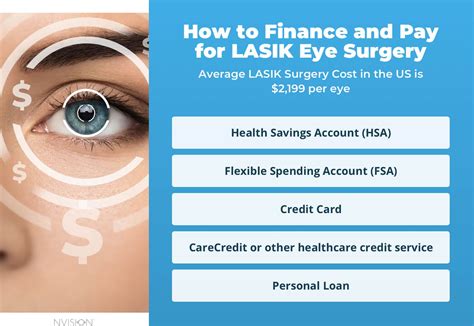
- Health Savings Accounts (HSAs) and Flexible Spending Accounts (FSAs): Many patients use HSAs or FSAs to pay for Lasik Eye surgery. These accounts allow you to set aside pre-tax dollars for medical expenses, lowering your overall expenditure.
- Vision Insurance: Some vision insurance plans may offer partial coverage for Lasik Eye surgery. It’s essential to check with your provider to understand the specifics of your plan and what procedures or discounts it may cover.
- Employer-Sponsored Plans: If your employer provides a vision benefits package, it may include perks such as discounts or financing options for Lasik Eye surgery. Be sure to inquire about these while reviewing your benefits.
- Payment Plans: Some surgery centers offer financing options. Though not traditional insurance, these plans can spread the cost of Lasik Eye surgery over time, making it more manageable.
- Consulting with Your Surgeon: Your ophthalmologist may also provide information about any special arrangements or referral programs that could reduce your costs.
While traditional health insurance may not fully cover Lasik Eye surgery, exploring these alternatives can help you navigate your financial responsibilities and make the procedure more affordable.
How To Save Money On Lasik Eye Procedures
When considering Lasik Eye surgery, it’s essential to look for ways to minimize your expenses without compromising the quality of care. Here are some practical strategies to help you save money on your laser eye surgery:
- Shop Around: Different clinics offer varying prices for Lasik Eye procedures. Take the time to research multiple providers and compare their costs, services included, and financing options.
- Look for Promotions: Many clinics run seasonal promotions or discounts for Lasik Eye surgeries. It can be beneficial to keep an eye out for these offers to reduce your overall expenses.
- Inquire About Financing: Ask your provider about financing plans that can allow you to pay in installments. Some clinics offer zero-interest financing for qualified patients, making the surgery more affordable over time.
- Consider Tax Deductions: Depending on your income and medical expenses, you might be able to deduct the costs of Lasik Eye surgery from your taxes. Consult a tax professional to see if you qualify.
- Check for Discounts: If you belong to certain organizations, such as military groups or professional associations, you may be eligible for additional discounts on your procedure.
By applying these strategies, you can significantly reduce the financial burden of your Lasik Eye surgery while still receiving high-quality care.

Budgeting For Your Lasik Eye Surgery Journey
Financial planning is a crucial step when considering Lasik Eye surgery. Understanding the costs involved and preparing for them can alleviate stress and enable a smoother experience. Here are several steps to effectively budget for your Lasik Eye procedure:
- Assess Total Costs: Start by gathering estimates from multiple clinics to get a comprehensive view of the total cost of the procedure, including pre-operative exams and follow-up visits.
- Consider Financing Options: Many clinics offer financing plans or payment options, which may allow you to spread out the cost over several months, making it more manageable.
- Set a Savings Goal: Calculate how much you can afford to set aside each month leading up to your surgery. Establish a specific savings goal based on the estimated costs.
- Evaluate Other Expenses: Don’t forget to consider any additional costs such as transportation to appointments, missed work days, and post-operative medications.
- Create a Contingency Fund: It’s wise to have a little extra saved in case of unexpected expenses that may arise during your Lasik Eye surgery journey.
By carefully budgeting and considering these steps, you can ensure that your financial preparations for Lasik Eye surgery are thorough, allowing you to focus on the benefits of improved vision rather than financial strain.

Frequently Asked Questions
What factors influence the cost of Lasik eye surgery?
The cost of Lasik eye surgery can be influenced by several factors, including the technology used, the surgeon’s experience, the geographic location of the clinic, and any included pre-operative and post-operative care.
Does insurance typically cover Lasik eye surgery?
Most health insurance plans do not cover Lasik eye surgery since it is considered an elective procedure. However, some plans may offer discounts or payment plans, so it’s important to check with your insurance provider.
What is the average cost of Lasik eye surgery in the United States?
On average, the cost of Lasik eye surgery in the United States ranges from $2,000 to $3,000 per eye. The total cost can be higher depending on the factors mentioned earlier.
Are there financing options available for Lasik eye surgery?
Yes, many clinics offer financing options, including payment plans and medical credit cards that allow patients to pay for their surgery in installments.
How can I prepare financially for Lasik eye surgery?
To prepare financially, consider saving up in advance, researching different clinics to compare prices, and checking for any deals or promotions that may offset costs.
Are there any additional costs involved in Lasik eye surgery?
Yes, additional costs may include pre-operative evaluations, follow-up visits, and any necessary enhancements and medications prescribed after the surgery.
What questions should I ask when discussing costs with my surgeon?
When discussing costs, ask about the total price, what is included in that price, if there are any financing options, and the surgeon’s experience and success rates.
Leave a Reply