
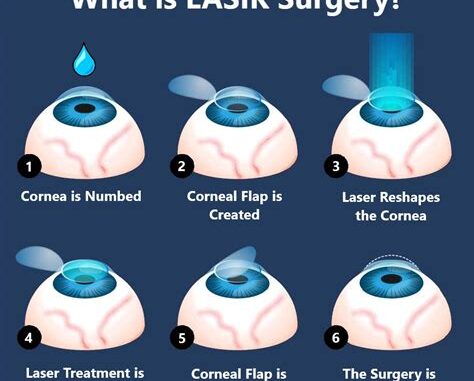
In a world where clear vision is invaluable, many individuals consider LASIK eye surgery as a viable solution to their eyesight challenges. While the promise of improved vision is enticing, understanding the real costs—both financial and experiential—associated with LASIK is essential for making an informed decision.
This article delves into the multifaceted patient experiences surrounding LASIK eye surgery, highlighting not only the financial investment required but also the recovery experiences and long-term results. We will compare patient feedback on LASIK versus alternative treatments, ensuring you are well-equipped with the insights necessary to navigate this life-changing decision. Join us as we explore the true implications of LASIK eye surgery through the eyes of patients who have taken the leap.
Understanding Patient Experiences With Lasik Eye Surgery
When considering Lasik eye surgery, the Patient Experiences surrounding the procedure play a crucial role in decision-making. Many individuals share their stories, shedding light on the emotional and psychological aspects of undergoing this transformative surgery. In this section, we will delve into personal accounts that highlight common themes and issues faced by patients.
One prevalent theme among patients is the anxiety leading up to the procedure. Many individuals express feelings of apprehension regarding the surgery itself, the potential for complications, and the uncertainty about the outcomes. However, numerous testimonials also reveal that this anxiety often dissipates quickly once the surgery begins. The comforting presence of the medical team and the increasing awareness of the procedure’s high success rate help alleviate fears.
Post-surgery, patients frequently describe a sense of liberation that comes from increased visual freedom. Many report dramatic improvements in their vision within hours or days, which significantly enhances their quality of life. Activities like driving, reading, and enjoying outdoor sports become easier and more enjoyable, leading to positive Patient Experiences overall.
However, it’s important to note that not every experience is flawless. Some patients report experiencing dry eyes, night vision disturbances, or the need for glasses again in the future. These accounts highlight the importance of setting realistic expectations and thoroughly understanding the potential risks prior to the surgery. Patient experiences often encourage potential candidates to engage in open discussions with their eye care professionals to address any concerns or questions.
The Patient Experiences with Lasik eye surgery are diverse, shaped by individual expectations, outcomes, and post-operative realities. By understanding these experiences, patients can make more informed choices about whether Lasik is the right option for them.
The Financial Investment In Lasik Eye Surgery Costs
The decision to undergo LASIK eye surgery is not just about improving vision; it also involves a considerable financial investment. Understanding the costs associated with the procedure is essential for patients, as it can impact their overall experience and satisfaction with the treatment.
Typically, the price of LASIK eye surgery varies widely based on several factors, including the surgeon’s experience, the technology used, and the geographic location of the practice. On average, patients can expect to pay between $2,000 to $4,000 per eye. This price often includes pre-operative consultations, the procedure itself, and follow-up visits.
It’s crucial to consider that the initial cost, while significant, should be weighed against long-term savings on glasses and contact lenses. Many patients find that LASIK surgery offers a cost-effective solution over time, especially if they relied heavily on corrective lenses prior to the procedure.
Additionally, various financing options are often available, allowing patients to manage the cost more effectively. Many clinics offer payment plans, and some even provide financing through third-party lenders, which can help make LASIK eye surgery more accessible.
Insurance coverage for LASIK can also vary; some plans offer partial reimbursement or discount programs. Therefore, it’s advisable for patients to consult with their insurance providers to understand their coverage options.
Overall, while the financial investment in LASIK eye surgery may seem daunting, it often leads to enhanced quality of life and freedom from corrective eyewear. Patients should carefully evaluate their financial situation and consider both the immediate costs and long-term benefits when deciding on the procedure.
Patient Experiences: What To Expect During Recovery
Recovery from Lasik eye surgery varies from patient to patient, but understanding common experiences can help set realistic expectations. Initially, many patients report experiencing some discomfort, which may include sensations of grittiness or mild burning in the first few hours following the procedure.

As part of the recovery process, it’s essential to follow post-operative instructions provided by your surgeon. This usually includes:
- Avoiding rubbing your eyes.
- Using prescribed eye drops to prevent dryness and infection.
- Wearing protective eyewear during sleep or while outdoors for a few days.
- Attending follow-up appointments to monitor healing progress.
Many patients notice improved vision within the first few days, although full stabilization can take several weeks. During this time, fluctuations in vision can occur, and it’s common for patients to experience a range of visual symptoms, including halos or glare, particularly at night.
From a psychological perspective, understanding that patient experiences widely differ can ease anxiety. Connecting with others who have undergone the procedure can provide valuable insights and support during recovery. Joining online forums or seeking out local patient support groups can be beneficial.
While the recovery phase can be uncomfortable for some, many patients report satisfaction with their results after their eyes have healed. Keeping lines of communication open with your healthcare provider can help address concerns and ensure a smooth recovery process.
Evaluating Patient Experiences And Long-Term Results
One of the critical aspects of assessing the effectiveness of Lasik eye surgery lies in Patient Experiences over time. Many individuals anticipate immediate results, but the journey doesn’t end after the procedure. Understanding how patients feel about their outcomes months or even years later can provide valuable insights for prospective patients.
Long-term studies have shown that a significant percentage of patients enjoy improved vision for many years following their procedure. According to a study published in the Journal of Cataract and Refractive Surgery, around 95% of patients report satisfaction with their vision quality five years post-surgery. This highlights the importance of not only the immediate post-operative experience but also the enduring benefits of Lasik.

Feedback from patients often covers several aspects such as:
- Vision Clarity: Most patients report significant improvement in their vision, often achieving results better than their pre-surgery vision.
- Reduced Dependence on Glasses: A common theme in Patient Experiences is the thrill of reducing or completely eliminating their reliance on glasses or contact lenses.
- Quality of Life: Many patients express an enhanced quality of life, as they find engaging in activities such as sports or traveling more enjoyable without the hassle of eyewear.
- Visual Fluctuations: Some patients do report occasional fluctuations in vision, especially in varying light conditions, which can lead to temporary discomfort.
It is also essential to consider the emotional aspects associated with the surgery. Patients often describe a sense of empowerment and newfound freedom, which can be pivotal in shaping their Patient Experiences.
While the initial outcomes of Lasik eye surgery are critical, evaluating Patient Experiences and the long-term results is equally important. Through ongoing feedback and studies, prospective patients can get a clearer picture of what to expect, enabling them to make informed decisions about their visual health.
Comparing Patient Experiences: Lasik Eye Surgery Vs. Alternatives
When it comes to vision correction, individuals often find themselves evaluating their options between Lasik eye surgery and its alternatives, such as glasses, contact lenses, and other surgical procedures like PRK (photorefractive keratectomy) or SMILE (small incision lenticule extraction). Understanding the different patient experiences associated with each option can be crucial in making an informed decision.
Patient Experiences With Lasik Eye Surgery
Many patients report positive outcomes after undergoing Lasik eye surgery. The immediate improvement in vision is often highlighted as a significant advantage. Patients frequently mention the convenience of no longer needing glasses or contacts, which can enhance daily activities such as sports and driving. However, some report experiencing dry eyes or visual disturbances shortly after the procedure, necessitating careful post-operative care.
Patient Experiences With Glasses and Contact Lenses
For those who choose glasses or contact lenses, patient experiences vary widely. Glasses are often perceived as a non-invasive and straightforward solution, but some users express dissatisfaction with their weight, fogging, or limited field of vision. Contact lens wearers enjoy greater freedom and comfort but may face challenges such as irritation, maintenance, and potential infections.
Patents Experience With Alternative Surgical Options
Alternatives to Lasik eye surgery like PRK and SMILE also offer different experiences. PRK involves a longer recovery time compared to Lasik, as the outer skin of the cornea is removed, but it too has a favorable success rate. Patients often note that SMILE, which uses a minimally invasive technique, generally results in less discomfort and quicker recovery. Each procedure’s effectiveness and side effects tend to be central to patient discussions.
Factors Influencing Patient Satisfaction
Factors that influence patient satisfaction across these options include the severity of vision impairment, individual lifestyle, and personal preferences. Some patients prioritize the immediate results of Lasik, while others may value the low-risk profile of non-surgical options. Emotional experiences, such as fear of surgery or frustration with the continued dependence on corrective lenses, play a crucial role in patient satisfaction as well.
The comparison of patient experiences reveals that the choice between Lasik eye surgery and its alternatives is highly personal. Each option carries its own set of benefits and challenges, and understanding these facets can empower prospective patients to make the best decision for their unique situations.

Frequently Asked Questions
What is LASIK eye surgery?
LASIK (Laser-Assisted In Situ Keratomileusis) is a surgical procedure that uses laser technology to correct vision problems, such as myopia, hyperopia, and astigmatism.
What are the typical costs associated with LASIK eye surgery?
The costs of LASIK eye surgery can vary widely but generally range from $2,000 to $3,000 per eye, depending on the technology used and the surgeon’s experience.
Does insurance cover LASIK eye surgery?
Most health insurance plans do not cover LASIK surgery since it is considered an elective procedure, but some plans may offer a discount or payment options.
What are the potential risks and side effects of LASIK surgery?
Potential risks include dry eyes, glare, halos, vision loss, and under or over-correction of vision, though serious complications are rare.
How long does recovery take after LASIK surgery?
Many patients experience improved vision within a day or two, but full recovery may take several weeks as the eyes heal.
What should patients consider before undergoing LASIK eye surgery?
Patients should consider their overall eye health, the stability of their vision, potential risks, the surgeon’s credentials, and the technology being used.
What are some personal testimonials about LASIK surgery?
Many patients report significant improvements in their quality of life post-surgery, enjoying activities without glasses or contacts, although experiences can vary widely.
Leave a Reply