
As advancements in medical technology continue to reshape the healthcare landscape, Lasik eye surgery stands at the forefront, offering individuals the promise of clearer vision and enhanced quality of life. However, the costs associated with this procedure can vary significantly, influenced by factors such as technology, location, and the expertise of the surgical team.
In this article, we will delve deep into the current state of Lasik eye surgery costs, explore emerging technological trends, and examine pricing variations across different regions and facilities. Additionally, we will provide insights into projected pricing trends over the next decade and discuss financing options available to prospective patients. Join us as we navigate the future of Lasik eye surgery costs, ensuring you stay well-informed and prepared for your journey toward improved vision.
Understanding Current Lasik Eye Surgery Costs and Factors Influencing Them
The cost of Lasik eye surgery can vary significantly based on several factors, including the type of technology used, the surgeon’s experience, and the specific geographic location of the clinic. Currently, the average cost for Lasik surgery in the United States typically ranges from $2,000 to $3,000 per eye.
One of the primary factors influencing the future cost of Lasik eye surgery is the advancement in surgical techniques and equipment. Cutting-edge technologies, such as wavefront-guided Lasik and femtosecond laser technology, can improve outcomes but may also lead to higher fees. Patients weighing the benefits of improved precision and safety may find these higher costs justified.
Another critical component is the experience and reputation of the surgeon. Highly skilled and renowned surgeons often charge a premium for their services, which can significantly increase the overall price of the procedure. Facilities specializing in Lasik typically have a range of package options that can further affect the final cost.
Geographically, the location of the surgery can also lead to variations in pricing. Urban areas with high demand for eye surgeries may have higher costs due to increased operational expenses, while rural clinics might offer more competitive pricing. As the landscape of eye care continues to evolve, these regional differences will likely remain a prominent factor in Lasik pricing.
Patients’ individual requirements, such as pre-operative evaluations and follow-up care, can add to the overall expenses of the procedure. Understanding these costs and their implications will be essential for predicting the future of Lasik eye surgery pricing.
Technological Advancements Impacting The Future Of Lasik Surgery Expenses
As we look toward The Future of LASIK eye surgery, several technological advancements are set to influence the expenses associated with these procedures. Innovations in medical technology not only enhance the safety and effectiveness of LASIK but also have implications for the costs involved. Here are some key advancements to consider:
- Femtosecond Lasers: These lasers allow for more precise cuts during surgery, resulting in quicker recovery times and fewer complications. While the initial investment in femtosecond laser technology is higher, the improved outcomes can lead to lower overall costs in the long run.
- Customized Treatments: Advances in wavefront technology enable personalized LASIK procedures tailored to an individual’s unique vision needs. This customization can increase the upfront costs, but it also reduces the likelihood of future corrective surgeries, which may balance the financial equation.
- Telemedicine Integration: The integration of telemedicine into pre-operative assessments can lower operational costs for clinics, potentially translating into reduced prices for patients. This allows for greater accessibility while managing expenses effectively.
- Artificial Intelligence: AI is playing a significant role in optimizing surgical plans and predicting outcomes. By minimizing the risk of complications and enhancing surgical efficiency, clinics can save money, potentially passing some of these savings onto patients.
- Enhanced Training Simulators: Advanced training tools for surgeons can result in higher skill levels and better surgical outcomes. Improved training may initially increase costs, but better results and fewer complications can lead to savings for both patients and facilities.
Overall, these technological advancements are expected to shape The Future of LASIK eye surgery costs, creating a landscape where the balance between investment and long-term savings becomes increasingly favorable for both patients and healthcare providers.
Comparing Lasik Costs Across Different Regions and Facilities
When examining the landscape of Lasik eye surgery costs, it’s essential to recognize that prices can significantly vary depending on the geographical location and the specific facility providing the treatment. Understanding these differences can help patients make informed decisions about their eye care.
One of the key factors influencing the cost is the region in which the surgery is performed. For instance, urban areas with a higher cost of living, such as New York or Los Angeles, typically have higher Lasik prices compared to rural areas. This discrepancy can be attributed to factors such as operating expenses, demand for surgical services, and competition among clinics.
Furthermore, different facilities may offer varying price structures based on their level of expertise and the technology they employ. High-end clinics that focus on advanced technology and have experienced surgeons may charge a premium. Conversely, more accessible clinics might provide competitive pricing but could use older equipment or less experienced staff, potentially impacting the outcome of the procedure.
It’s also worth noting that some clinics offer promotional deals or package prices that can significantly reduce the overall cost. Patients may find that these deals vary by region, making it crucial to shop around and compare prices among local providers.
While evaluating Lasik eye surgery costs, consider the following:
- The average cost range in your region
- The qualifications and experience of the surgical team
- The technology and techniques employed at the facility
- Additional costs that may arise, such as pre-operative evaluations and post-operative care
As we look to the future of Lasik eye surgery, it’s imperative to understand how geographical differences and facility characteristics can influence costs. An informed patient can better navigate these options to find a procedure that meets their needs without exceeding their budget.
Projected Trends in Lasik Eye Surgery Pricing Over the Next Decade
The future of Lasik eye surgery costs is poised for significant changes, driven by advancements in technology, market dynamics, and patient demand. Over the next decade, we anticipate several key trends that could influence the pricing landscape of Lasik procedures.
Firstly, as technology evolves, the introduction of more efficient and precise surgical equipment is likely to reduce operational costs for clinics. Enhanced techniques, such as wavefront technology and femtosecond lasers, may lead to better outcomes with fewer complications. As these technologies become standard practice, we might see a gradual decrease in the average price of Lasik procedures, making them more accessible to a broader population.

Secondly, increased competition among clinics could also drive prices down. As more facilities offer Lasik services, providers may lower their prices or enhance their offerings (like promotional packages or financing options) to attract patients. Consumers will benefit from this competitive market as continued price wars and incentives make the procedure more affordable.
Moreover, the rising awareness and demand for vision correction solutions will likely push prices towards stabilization, rather than drastic fluctuations. More patients seeking Lasik will encourage providers to optimize their business models, ultimately leading to a decrease in costs while maintaining quality standards.
Regulatory changes and the evolving healthcare landscape can impact pricing trends. If insurance policies begin to cover Lasik procedures more comprehensively, or if new legislative measures promote affordability in healthcare services, this would further contribute to lower costs for patients seeking Lasik eye surgery.
While there might be fluctuations due to a variety of influences, the overall trend in the future of Lasik eye surgery pricing should lean towards more affordability, accessibility, and competitive pricing structures. Vigilant consumers and industry stakeholders can keep a close eye on these projections to benefit from the evolving marketplace.
Preparing for The Future: Financing Options for Lasik Eye Surgery
As the field of Lasik eye surgery evolves, understanding the various financing options available to patients becomes increasingly important, particularly in light of the changing landscape of costs. To prepare for The Future of Lasik surgery, patients should explore several financing avenues to make this vision-correcting procedure more accessible.
- Health Savings Accounts (HSAs) and Flexible Spending Accounts (FSAs): These accounts allow patients to set aside pre-tax money for medical expenses, including Lasik. Utilizing HSAs and FSAs can significantly reduce out-of-pocket costs.
- Payment Plans Offered by Clinics: Many Lasik surgery clinics offer customizable payment plans that enable patients to spread the cost over time. This option often comes with low or no interest rates, making it easier to manage finances without impacting savings.
- Medical Credit Cards: Specially designed for healthcare expenses, medical credit cards can be a viable option for financing Lasik surgery. Providers often have promotional 0% interest periods, which can be beneficial if the balance is paid off within the promotional timeframe.
- Insurance Coverage: While many insurance policies do not cover Lasik surgery, some may offer partial coverage or discounts. It’s essential for patients to check with their insurance providers to understand what, if any, benefits may be available.
- Personal Loans: For patients who prefer a straightforward loan option, personal loans may be secured from banks or credit unions. These loans can provide the necessary funds upfront, but it’s critical to compare interest rates and terms to ensure a manageable repayment plan.
By exploring these financing options, patients can better prepare for The Future of their vision care. Understanding the financial implications and planning accordingly can make Lasik eye surgery a more feasible and attractive option for those seeking improved vision.

Frequently Asked Questions
What is Lasik eye surgery?
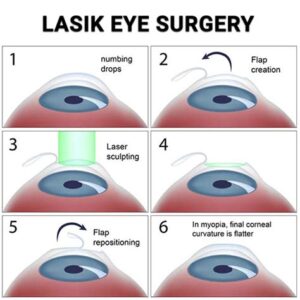
Lasik eye surgery is a popular surgical procedure that uses laser technology to correct vision problems, such as myopia, hyperopia, and astigmatism.
What are the current costs associated with Lasik eye surgery?
As of 2023, the average cost of Lasik eye surgery ranges from $2,000 to $3,000 per eye, depending on the technology used and the surgeon’s expertise.
What factors influence the cost of Lasik eye surgery?
Several factors affect the cost of Lasik eye surgery, including the surgeon’s experience, the technology used, facility fees, geographic location, and any pre-operative or post-operative care.
What are the trends in Lasik eye surgery costs?
Recent trends indicate a gradual reduction in the average costs of Lasik eye surgery due to advancements in technology, increased competition among providers, and more insurance coverage options.
How might the costs of Lasik eye surgery change in the next few years?
Experts predict that the costs may continue to decrease slightly over the next few years, driven by technological innovations and greater accessibility, but there may also be fluctuations based on the economy and healthcare policies.
Are there financing options available for Lasik eye surgery?
Yes, many clinics offer financing plans, personal loans, or payment plans to help patients spread the cost of Lasik eye surgery over time.
Is Lasik eye surgery worth the investment?
Many patients find that Lasik eye surgery is a worthwhile investment due to the long-term savings on glasses and contacts, combined with the improvement in quality of life and convenience it provides.
Leave a Reply