Are you considering LASIK eye surgery and wondering about the associated costs? Making an informed decision is crucial, and understanding the financial aspects can significantly impact your experience. This article delves into the essential questions to ask your surgeon regarding LASIK surgery pricing, helping you navigate the complexities of financial planning for this transformative procedure.
Before you discuss costs, it’s important to understand the factors that can affect pricing, including technology, surgeon expertise, and geographic location. We’ll also cover the intricacies of insurance coverage and what to expect in terms of total expenses.
By the end, you’ll have a comprehensive understanding of LASIK surgery costs, equipping you to compare offerings and make the best choice for your vision and budget.
What To Consider Before Discussing Lasik Surgery Costs
When it comes to discussing the costs of Lasik eye surgery, it’s essential to have a solid understanding of several key factors that can influence the total price. Here are some critical considerations to keep in mind:
- Type of Procedure: Different Lasik techniques, such as standard Lasik, custom Lasik, or wavefront-guided Lasik, vary in cost. Ensure you are aware of which procedure will be recommended for your needs.
- Surgeon’s Experience: The qualifications and experience of the surgeon can affect the cost. Highly experienced surgeons may charge more but could offer better outcomes.
- Technology Used: Advanced technologies (like femtosecond lasers) often come at a higher price. Discuss what technology will be utilized in your procedure.
- Follow-Up Care: Costs can extend beyond the initial procedure, including follow-up appointments and any necessary enhancements. Be sure to inquire about post-operative care expenses.
- Geographic Location: Surgery costs can vary significantly by region. It’s helpful to research the average costs in your area and compare them.
- Financing Options: Many clinics offer financing plans or payment schedules. Understand these options to gauge what works best for your budget.
- Discounts or Promotions: Occasionally, clinics may run specials. It’s worth asking about any discounts that might apply to your situation.
By considering these factors, you can have a more informed discussion about the costs associated with Lasik surgery, ensuring that you take into account all possible variables that could affect your financial commitment.
Key Questions To Ask About Lasik Surgery Pricing
When it comes to determining the cost of LASIK eye surgery, it’s essential to ask your surgeon specific questions to ensure you understand the financial aspects of the procedure. Here are some key questions to consider:
- What is the total cost of the procedure? – Inquire whether the quoted price includes all pre-operative assessments, the procedure itself, and post-operative care.
- Are there any additional fees? – Ask about potential extra charges, such as fees for follow-up visits, enhancement procedures, or specialized technologies used during surgery.
- Do you offer financing options? – Many clinics provide financing plans. It’s helpful to find out what options are available that allow for manageable payment plans.
- Will my insurance cover any costs? – While LASIK is often not covered by insurance, some plans may offer partial coverage or discounts. Confirm with your provider.
- What type of LASIK technology will be used? – The cost may vary based on the technology employed (e.g., traditional LASIK vs. bladeless LASIK), so clarifying this can help you assess if the pricing aligns with the procedure.
- How long is the price valid? – Understand whether the quoted price is subject to change and how long it will remain in effect.
- What happens if I need an enhancement procedure? – Clarify the costs associated with any potential follow-up procedures to ensure comprehensive understanding.
- Are there warranties or guarantees offered? – Some clinics provide a satisfaction guarantee or warranty on their work, which can influence overall costs and services included.
Asking these questions will not only help you navigate the financial implications of LASIK eye surgery but also ensure you are well-informed about the entire process. Being thorough during your consultation can aid in making the best decision for your long-term vision health.
Understanding Insurance Coverage For Lasik Eye Surgery
When considering what to include in your discussions about Lasik eye surgery, understanding how insurance coverage applies is crucial. Many patients assume that their insurance will cover part or all of the costs associated with this procedure, but the reality can differ significantly.

First, it’s essential to verify with your insurance provider if they cover Lasik surgery. Some insurance plans consider it an elective procedure and do not provide coverage, while others may offer partial benefits. Begin by contacting your insurance company to ask:
- Does my plan cover Lasik eye surgery?
- If covered, what percentage of the total cost will be reimbursed?
- Are there specific criteria I must meet to qualify for coverage?
- What is the process for utilizing my benefits for this surgery?
Additionally, inquire if your insurance includes any special arrangements with local laser surgery centers, which might offer discounts or specific payments plans for insured patients. Understanding the full scope of your what to expect regarding insurance can significantly affect your budget for Lasik eye surgery.
If a patient finds that their insurance does not cover Lasik, it might be worthwhile to explore flexible payment plans or financing options offered by surgeons or centers to make the procedure more affordable.
What To Expect In Terms Of Total Lasik Costs
When considering LASIK eye surgery, understanding the what to expect regarding total costs is crucial for making an informed decision. The overall expense of LASIK can vary significantly based on various factors. Here’s a breakdown of what typically influences the final price:
- Technology Used: The type of laser technology employed can impact the cost. Advanced procedures, like Custom LASIK or Wavefront-guided LASIK, may come at a premium compared to standard techniques.
- Surgeon’s Experience: The expertise and reputation of the surgeon performing the procedure play a vital role in pricing. Well-established professionals with a solid track record might charge higher fees.
- Facility Fees: The surgical center’s location and its associated fees can also affect the total cost. Facilities in urban areas often have higher costs than those in suburban or rural locations.
- Pre- and Post-Operative Care: Include in your budget the costs associated with consultations, follow-up visits, and any necessary medications or eye drops used during recovery.
- Payment Options: Many clinics offer financing plans that can help spread the cost over time, so it’s important to inquire about these options as they can ease the financial burden.
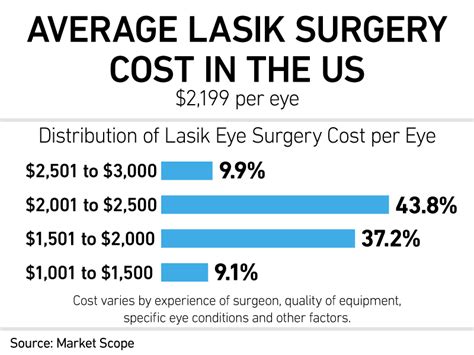
Overall, typical LASIK costs can range from $2,000 to $3,000 per eye, but comprehensive consultations with your surgeon can provide a clearer estimate suited to your specific condition and desired outcomes. Always ensure that you clearly understand what is included in the quoted price and ask for a detailed breakdown to avoid any surprises.

Comparing Lasik Surgery Offers: What To Look For
When considering Lasik eye surgery, it’s important to compare offers from different providers to ensure you’re making an informed decision. Here are some key factors to keep in mind while you evaluate your options:
1. Total Costs: Look beyond the initial quote. Some providers may advertise low prices that don’t include all necessary follow-up visits or enhancements. Be sure to ask for a comprehensive breakdown of the total costs involved.
2. Technology Offered: Different clinics might use various types of laser technology. Research what type of equipment is being used and the efficacy of each device. Advanced technology may have a higher upfront cost but could potentially lead to better outcomes.
3. Experience of the Surgeon: Check the qualifications and experience of the surgeon performing the procedure. A highly skilled surgeon might charge more but can offer enhanced precision and results, making it worth the investment.
4. Patient Reviews and Outcomes: Look for reviews from previous patients, focusing on their experiences with surgery results, staff professionalism, and overall satisfaction. Good reviews can provide insight into what you might expect.
5. Financing Options: Moreover, inquire about financing options that may be available. Some clinics might offer payment plans or financing to help alleviate the burden of upfront costs.
6. Warranty or Satisfaction Guarantees: A reputable provider may offer a warranty or satisfaction guarantee. This could provide peace of mind should you need a follow-up procedure or adjustment after the initial treatment.
7. Location and Accessibility: Consider the clinic’s location and how convenient it is for you. Traveling long distances for consultations or follow-up appointments can add to your overall stress and costs.
8. Free Consultation Offers: Some clinics might offer free consultations. This can provide you an opportunity to gauge the staff and atmosphere of the facility without any financial commitment.
By taking these factors into account when comparing Lasik surgery offers, you can better understand what to expect and make the most informed choice regarding your investment in vision correction.

Frequently Asked Questions
What is LASIK eye surgery?
LASIK (Laser-Assisted In Situ Keratomileusis) is a popular eye surgery that corrects refractive vision problems like myopia, hyperopia, and astigmatism by reshaping the cornea.
Why is it important to discuss costs with your surgeon?
Discussing costs with your surgeon is crucial to understand the total financial commitment, including the procedure, pre-operative evaluations, follow-up care, and any potential additional fees.
What specific costs should I expect to ask about?
Patients should inquire about the cost of the surgery itself, any necessary pre-operative tests, post-operative follow-ups, prescription medications, and enhancement procedures if needed.
Does insurance cover LASIK eye surgery?
Most insurance plans do not cover LASIK as it is considered an elective procedure. It’s advisable to check with your insurance provider for any specific coverage details.
What financing options are available for LASIK surgery?
Many surgeons offer financing options, such as payment plans, health savings accounts (HSAs), and CareCredit to help manage the costs of LASIK eye surgery.
Are there any hidden costs associated with LASIK?
It’s important to ask your surgeon about any hidden costs, such as charges for consultation, advanced technology used, or additional follow-up visits, to avoid unexpected expenses.
How can I determine if the cost of LASIK is worth it?
Consider the long-term benefits of LASIK, such as reduced reliance on glasses or contact lenses, improved quality of life, and potential cost savings over time, to assess if the investment is worthwhile.
Leave a Reply