
Are you considering LASIK eye surgery but are concerned about the cost? You’re not alone—many individuals find themselves in a similar predicament. Understanding the financial aspects of this transformative procedure can feel overwhelming. In this article, we will guide you through the key elements surrounding LASIK costs, exploring various financing options available to make this life-changing surgery more accessible.
From navigating insurance coverage to evaluating personal loans, we’ll equip you with the necessary tools to make informed decisions. Additionally, we’ll share practical tips for maximizing savings throughout the financing process. Join us as we demystify the financial side of LASIK eye surgery, empowering you to take the next step towards clear vision.
Understanding The Cost Of Lasik Eye Surgery
When considering how to finance the cost of Lasik eye surgery, it’s essential to understand what factors contribute to the overall expense. The cost of Lasik can vary significantly based on several variables, including the type of technology used, the surgeon’s experience, and the location of the surgery.
Typically, the price range for Lasik eye surgery can fall between $2,000 to $3,000 per eye. Here are some key elements that influence the cost:
- Technology Used: Advanced techniques like wavefront-guided Lasik may have higher costs due to their precision and effectiveness.
- Surgeon’s Expertise: Experienced and reputable surgeons may charge more for their services, reflecting their skill and success rates.
- Geographical Location: Costs can fluctuate based on the region, with urban centers often commanding higher prices due to increased demand and overhead expenses.
- Pre- and Post-operative Care: Comprehensive care packages that include consultations, follow-ups, and any necessary adjustments can impact the total cost.
It’s also important to remember that the quoted prices may not include all associated fees, which could lead to unexpected expenses. Therefore, when evaluating how to finance your surgery, it’s vital to ask about any hidden or additional costs during your consultation. Understanding these factors will empower you to make informed decisions about your financing options and ensure you choose a plan that suits your budget.
How To Evaluate Your Financing Options
When considering how to finance the cost of LASIK eye surgery, it is essential to explore various financing options that align with your financial situation and personal preferences. Here are some key factors and strategies to assess:
- Research Financing Providers: Look into different financial institutions that offer specialized loans for medical expenses. Compare interest rates, terms, and any fees associated with the loans.
- Understand Your Budget: Determine how much you can feasibly allocate for monthly payments while considering your overall financial responsibilities.
- Consider Personal Loans: Personal loans can be a viable option if you have a good credit score. They often come with fixed interest rates, making it easier to plan your repayments.
- Evaluate Payment Plans: Some LASIK clinics provide in-house financing options, allowing you to spread out the cost over time. Review the terms and conditions carefully.
- Check Zero-Interest Options: If you qualify, zero-interest financing can be incredibly beneficial, as you won’t incur interest as long as you make timely payments.
The goal is to find a financing option that minimizes your out-of-pocket expenses while ensuring accessibility to the procedure. Once you’ve evaluated these options, you can make an informed decision that suits your financial needs.
Insurance Coverage For Lasik: What You Need To Know
When considering how to finance the cost of LASIK eye surgery, understanding the role of insurance coverage is crucial. Most insurance plans classify LASIK as an elective procedure, which means it typically isn’t covered. However, there are exceptions and nuances that you should be aware of:
- Check with Your Insurer: Before proceeding, contact your health insurance provider to ask about your specific policy. Some plans may cover a portion of the costs or offer discounts through affiliated LASIK centers.
- Flexible Spending Accounts (FSAs): If you have access to an FSA, you can use pre-tax dollars to finance your LASIK surgery. Check your FSA’s terms to ensure this applies.
- Health Savings Accounts (HSAs): Similarly, HSAs allow you to save money tax-free for medical expenses, and LASIK often qualifies.
- Employer Benefits: Some employers partner with vision correction clinics to provide employees with discounts or financial assistance programs for LASIK procedures.
- Alternative Coverage: If you have a high deductible plan, investigate whether the amount you spend on LASIK could contribute to meeting your plan’s deductible, particularly if you anticipate needing other medical treatments.
While navigating insurance for LASIK can be complex, being proactive and asking the right questions can lead to significant savings. Always consider the total financial implications when exploring your options on how to pay for LASIK eye surgery, including both coverage and available resources.
Personal Loans And Payment Plans: How To Choose
When considering financing options for LASIK eye surgery, personal loans and payment plans are two popular choices. Each option has its advantages and drawbacks, making it essential to carefully evaluate which one aligns better with your financial situation and surgical needs.

How to choose between personal loans and payment plans involves understanding your total budget, the interest rates associated with loans, and the terms of any payment plans offered by the surgical facility.
Personal Loans
Personal loans can provide you with the necessary funds to cover the entire cost of LASIK surgery upfront. Here are some key points to consider:
- How To compare interest rates: Shop around to find the best rates, as even a small difference can significantly impact your repayment amount.
- Loan terms: Look for flexible repayment terms that suit your financial situation—shorter terms may mean higher monthly payments, while longer terms may lead to paying more interest overall.
- Credit score consideration: Your creditworthiness will influence the interest rate and amount you can borrow. Ensure to check your credit report and address any discrepancies beforehand.
Payment Plans
Many LASIK surgery centers offer in-house financing options or payment plans that can spread the cost over time. Here’s what to consider:
- How to check for zero-interest plans: Some clinics offer 0% APR payment plans as an incentive, allowing you to pay off your procedure without incurring additional costs.
- Down payment requirements: Be aware of any upfront costs that might be required and factor this into your budget.
- Payment duration: Understand the length of the payment plan and what happens if you miss a payment, as this can impact your financial health.
The decision between personal loans and payment plans depends on your financial preferences, comfort level with debt, and how you can manage repayments. Regardless of your choice, ensure that you understand all terms and conditions before committing to a funding method.
Maximizing Savings: Tips For Financing Lasik Surgery
Financing Lasik eye surgery can be a significant concern for many individuals seeking vision correction. By exploring various strategies, you can reduce the overall cost and maximize savings. Here are some effective tips on how to finance your Lasik surgery efficiently:
- Shop Around for Pricing: Prices for Lasik can vary significantly between providers. Take the time to research and compare costs at different clinics. Look for discounts, packages, or promotional offers that may reduce the procedure cost.
- Look for Flexible Payment Plans: Many clinics offer payment plans that allow you to spread the costs over several months or even years. This can help make your payments more manageable without incurring hefty interest rates.
- Consider Health Savings Accounts (HSAs): If you have an HSA, you can use those funds to pay for Lasik surgery. Contributions to HSAs are tax-deductible, providing additional savings on your procedure.
- Check for Employer Benefits: Some employers offer benefits that may cover part of the cost of Lasik surgery. Inquire with your HR department to see if you qualify for these perks.
- Utilize Flexible Spending Accounts (FSAs): If your employer offers an FSA, you can set aside pre-tax dollars to pay for out-of-pocket medical expenses, including Lasik surgery. This can lead to significant savings on taxes.
- Research Financing Options: Some third-party financial institutions specialize in medical financing. Look for low-interest rates or zero-interest plans that can help you afford the procedure without breaking the bank.
- Ask About Military Discounts: If you are a military member or veteran, some Lasik surgery clinics offer special discounts. Always inquire about any available programs tailored for those who have served.
- Taking Advantage of Off-Peak Seasons: Consider scheduling your surgery during off-peak times when clinics may be more willing to negotiate prices or offer discounts.
By implementing these tips on how to finance your Lasik eye surgery, you can significantly reduce your expenses and enjoy better vision without financial stress.

Frequently Asked Questions
What is LASIK eye surgery?
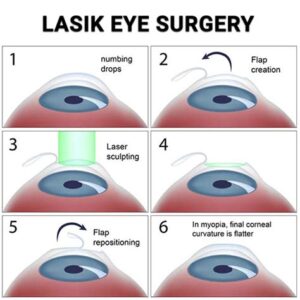
LASIK (Laser-Assisted In Situ Keratomileusis) is a popular surgical procedure that uses laser technology to correct vision by reshaping the cornea, allowing light to properly enter the eye.
Why is LASIK eye surgery considered a significant expense?
LASIK eye surgery can be a significant expense due to the advanced technology used, the expertise of the surgeons, and the comprehensive pre-operative and post-operative care that is required.
What financing options are available for LASIK eye surgery?
Common financing options include personal loans, healthcare credit cards, and payment plans offered by clinics, which can help patients spread out the cost over time.
Can insurance cover the cost of LASIK surgery?
In most cases, standard health insurance does not cover LASIK surgery because it is considered an elective procedure. However, some plans may offer discounts or financing options.
What are the potential risks of financing LASIK surgery?
Potential risks include accumulating debt from high-interest loans or payment plans if patients are unable to manage their finances effectively, impacting their overall financial health.
How can a patient determine if LASIK is worth the investment?
Patients should consider factors such as their current vision correction costs, quality of life improvements, long-term savings on eyewear, and the overall benefits to their daily activities.
What should patients look for when choosing a LASIK provider?
Patients should research the provider’s experience, technology used, patient reviews, and financing options, ensuring they feel comfortable with both the procedure and the associated costs.
Leave a Reply