
If you’ve been considering LASIK eye surgery to achieve clearer vision, understanding the financial aspects of this life-changing procedure is crucial. While many patients are eager to embrace the advantages of LASIK, the question of insurance coverage often looms large.
This article aims to demystify the details surrounding insurance coverage for LASIK eye surgery costs, exploring how it works, what factors influence your coverage, and how to maximize your benefits.
Additionally, we’ll address common misconceptions and help you evaluate potential out-of-pocket expenses after insurance deductions. With the right knowledge, you can make informed decisions about your vision correction journey without the stress of unforeseen costs. Let’s dive into the essentials of navigating insurance for LASIK surgery.
Understanding Insurance Coverage For Lasik Eye Surgery
When considering Lasik eye surgery, one of the most common questions patients have is about insurance coverage. Unfortunately, coverage can vary significantly depending on the individual’s insurance policy, provider, and specific terms of coverage. In general, many health insurance plans categorize Lasik surgery as an elective procedure. This often means that they may not cover the full cost or might exclude it altogether.
It’s essential to closely examine your insurance plan’s documentation. Look for any mention of refractive surgery, as this would typically include Lasik procedures. Some plans might offer partial coverage under certain conditions, such as when the surgery is deemed medically necessary due to extreme refractive errors.
It is also advisable to contact your insurance provider directly to confirm details regarding your specific plan. Make a list of questions to ask, focusing on:
- Are there any exclusions for Lasik surgery?
- Is prior authorization required?
- What percentage of the procedure costs can be claimed?
Additionally, understanding any prerequisites or eligibility requirements can be beneficial. Some individuals may need to undergo a comprehensive eye examination or prove that their prescription has stabilized before their insurance provides any benefits toward the procedure.
Having a clear understanding of your insurance coverage for Lasik eye surgery is vital. It helps patients make informed decisions and potentially avoid unexpected out-of-pocket expenses. As insurance policies can be intricate, taking the time to understand the nuances of your coverage can pay off in the long run.
Factors That Influence Lasik Surgery Insurance Coverage
Understanding the insurance coverage for LASIK eye surgery can often be complicated, as various factors come into play. Here are some of the key elements that influence how your insurance may cover the costs associated with this procedure:
- Type of Insurance Plan: Different types of insurance plans (e.g., employer-sponsored, individual, or government programs) have varying levels of coverage for laser eye surgery. Many plans categorically exclude vision correction procedures, affecting the potential for coverage.
- Medical Necessity: If LASIK is deemed a medical necessity rather than a cosmetic enhancement, your chance of receiving insurance coverage may increase. Documented vision impairment or complications can bolster your case.
- Policy’s Network Providers: Some insurance policies have specific networks of providers. If your chosen LASIK surgeon is out of network, you may face limited coverage or higher out-of-pocket costs.
- Pre-existing Conditions: Certain eye conditions or a history of vision problems might influence your policy’s decision regarding coverage. It’s essential to review your specific health conditions and how they align with your insurance plan.
- Location: Coverage can vary based on geographic location. Some states or regions may have different regulations affecting health insurance coverage for procedures like LASIK.
- Insurance Policy Terms: The fine print of your insurance policy is critical. Some policies might have specific clauses that detail exclusions or limitations on eye surgeries, so it’s crucial to fully understand these terms.
- Age: Some providers consider age as a factor in determining coverage eligibility. Younger candidates, particularly those under 25, may find that coverage is less likely due to the stability of their vision.
Reviewing your specific insurance plan and discussing options with your provider can provide clarity on how these factors impact your insurance coverage for LASIK eye surgery. Always seek an expert’s advice to ensure you are well-informed about your benefits and any potential costs involved.
Maximizing Your Insurance Coverage For Lasik Eye Surgery
When it comes to Insurance Coverage for Lasik eye surgery, understanding how to make the most of your benefits can lead to significant savings. Here are several strategies to help you maximize your insurance coverage:
- Review Your Policy: Begin by carefully examining your insurance policy to understand what is covered under your plan. Look for specific clauses related to Lasik surgery and any requirements to qualify for coverage.
- Consult with Your Eye Care Provider: Before scheduling your procedure, speak with your ophthalmologist about the coverage options. They may have insights or advice on navigating the insurance process and can help ensure that all necessary documentation is submitted.
- Get Pre-Approval: If your insurance requires pre-approval for Lasik surgery, initiate this process well in advance. Having pre-approval can help you avoid unexpected costs and validate the medical necessity of the procedure.
- Ask About Payment Plans: Some practices offer payment plans or financing options if your Insurance Coverage falls short. Ask the facility about their financial options to make the procedure more affordable.
- Research Flexible Spending Accounts (FSAs): If your employer offers an FSA, consider utilizing this account to pay for out-of-pocket expenses related to Lasik surgery. Money put into an FSA is tax-free and can help reduce your overall expenditure.
- Check for Discounts: Many healthcare providers offer discounts for patients who pay cash or do not utilize their insurance benefits. Inquire about any potential savings available when paying out-of-pocket.
By taking these steps, you can effectively maximize your Insurance Coverage for Lasik eye surgery, resulting in less financial strain while achieving clearer vision.
Common Misconceptions About Insurance Coverage For Lasik
When it comes to insurance coverage for LASIK eye surgery, several misconceptions can lead patients to make uninformed decisions. Addressing these myths is essential for understanding what to expect regarding coverage and financial responsibility.

One common misconception is that all health insurance plans cover LASIK surgery. While it is true that some plans may offer partial coverage or discounts, many consider LASIK an elective procedure, leaving patients with high out-of-pocket costs. It’s crucial for individuals to check their specific policy details to understand their eligibility.
Another myth is that if a provider is in-network, the costs for LASIK will automatically be lower. While being in-network can reduce costs substantially for some procedures, there is no guarantee that LASIK is covered the same way as other vision-related services. Patients should verify coverage before proceeding.
Many believe that LASIK is only appropriate for certain age groups. However, age does not solely determine eligibility for LASIK. Various factors, including eye health and prescription stability, play a more significant role in determining if someone is a candidate for the procedure. Insurance plans often do not stipulate age restrictions but focus on medical criteria instead.
It’s also a common misconception that LASIK surgery is a permanent solution that does not require any further investment after the initial procedure. Some patients may need enhancements or touch-up procedures over time, and not all plans may cover these additional treatments under insurance coverage.
Patients often believe that they cannot use their Flexible Spending Account (FSA) or Health Savings Account (HSA) for LASIK. In reality, these funds can typically be used for qualifying medical expenses, including laser eye surgery. It’s advisable to check with your plan administrator for confirmation.
Clarifying these misconceptions about insurance coverage for LASIK is vital in preparing prospective patients for their financial responsibilities and expectations surrounding the procedure. It is always best to consult directly with the insurance company or a financial advisor knowledgeable in this area to obtain accurate and personalized information.
Evaluating Out-Of-Pocket Costs After Insurance Coverage
After understanding your Insurance Coverage for LASIK eye surgery, the next critical step is evaluating the out-of-pocket costs you may incur. It’s essential to have a clear picture of what you can expect financially to avoid any surprises later on. Here’s how to effectively analyze your potential costs:

1. Review Your Insurance Policy
Start by carefully reviewing your insurance policy documents. Look for sections specifically discussing eye care, surgical procedures, and LASIK coverage. This will help you identify any co-pays, deductibles, or maximum out-of-pocket limits associated with your procedure.
2. Calculate Your Deductible
Many insurance plans require you to meet a specific deductible before they begin to cover any surgery costs. Be sure to calculate how much you need to spend out-of-pocket before your Insurance Coverage kicks in.
3. Consider Co-Payments and Coinsurance
Co-payments are a fixed amount you pay at the time of service, while coinsurance is a percentage of the cost that you are responsible for after meeting your deductible. Ensure you factor these amounts into your calculations, as they can significantly impact your overall expense.
4. Understand In-Network vs. Out-Of-Network Costs
If you have a choice of providers, staying in-network typically reduces your costs. If your chosen LASIK surgeon is out-of-network, contact your insurance provider to ascertain if your Insurance Coverage applies and how that will change your out-of-pocket responsibilities.
5. Explore Flexible Spending Accounts (FSAs) or Health Savings Accounts (HSAs)
If you have access to an FSA or HSA, you may be able to use those funds to pay for eligible out-of-pocket LASIK expenses. This can provide significant tax advantages, reducing your overall cost for the procedure.
6. Request a Detailed Cost Estimate from Your Provider
Don’t hesitate to ask for a detailed estimate of total costs from your LASIK provider. This should include surgeon fees, facility fees, and any necessary preoperative and postoperative care. Having a comprehensive breakdown will allow you to accurately measure how much your insurance will cover versus your out-of-pocket costs.
7. Evaluate Financing Options
If out-of-pocket costs exceed what you can afford, many LASIK providers offer financing plans to help spread the expense over time. Evaluate these options carefully, considering both interest rates and payment terms, to determine what works best for your budget.
Thoroughly evaluating your out-of-pocket costs after understanding your Insurance Coverage for LASIK can lead to better financial planning and peace of mind as you prepare for your surgery. By taking the time to analyze every aspect of your potential costs, you can make informed decisions that will benefit your sight and your wallet.
Frequently Asked Questions
What is Lasik eye surgery?
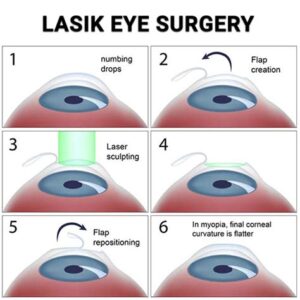
Lasik eye surgery is a refractive surgical procedure that aims to correct vision problems such as nearsightedness, farsightedness, and astigmatism by reshaping the cornea.
Why is insurance coverage important for Lasik eye surgery?
Insurance coverage is important because Lasik eye surgery can be expensive, and having coverage can significantly reduce out-of-pocket costs for patients seeking vision correction.
What types of insurance typically cover Lasik eye surgery?
Not all insurance plans cover Lasik eye surgery. However, some health insurance plans or vision insurance plans may offer partial coverage or discounts for the procedure.
Are there specific criteria to qualify for insurance coverage for Lasik?
Yes, criteria often include having a stable prescription for a certain period, being of a certain age, and not having certain medical conditions that may affect the surgery’s outcome.
What should I do if my insurance does not cover Lasik eye surgery?
If your insurance does not cover Lasik eye surgery, you can consider financing options, look for payment plans offered by the surgery center, or inquire about promotional discounts.
How can I find out if my insurance covers Lasik eye surgery?
To find out if your insurance covers Lasik eye surgery, contact your insurance provider directly and ask about the specific coverage details, or consult with the surgical center’s staff for assistance.
Are there alternatives to Lasik that might be covered by insurance?
Yes, alternatives to Lasik, such as glasses or contact lenses, are typically covered by most insurance plans, and some plans may also cover other refractive surgery options like PRK.
Leave a Reply